



A civil ceremony is the legally binding one; a symbolic ceremony carries no legal weight but can happen anywhere. Italy and Greece allow binding civil weddings for foreign couples, while Spain and France tie civil marriage to where one partner lives. Most destination couples sign the papers at home and hold the real ceremony on the coast.
Here is the unromantic truth that saves couples the most stress: in most of the Mediterranean, the wedding you picture and the wedding the law recognises do not have to be the same event. Understand that early, and the paperwork stops running your planning.
Every country handles foreign marriages differently. Italy and Greece open the door to visiting couples who do the paperwork; Spain and France tie civil marriage to where one of you lives, which rules it out for most. The usual, sane solution is to sign the papers quietly at home and hold the ceremony that matters where you actually want it.
Civil, religious or symbolic?
A civil ceremony is the legally binding one, held by a registrar or mayor. A religious ceremony can be binding where church and state agree. A symbolic ceremony carries no legal weight at all, and precisely because of that, it can happen anywhere, at any hour, led by anyone, with vows you wrote yourselves. Most destination couples marry legally at home and keep the symbolic ceremony for the coast.
| Country | Civil wedding for non-residents? | Key requirement | The usual route |
|---|---|---|---|
| Italy | Yes, with paperwork | Nulla osta, apostilled and translated documents | Civil in Italy, or legal at home |
| Greece | Yes, with paperwork | Greek translations, certificate of no impediment, municipal licence; register within 40 days | Civil in Greece, or legal at home |
| Spain | Effectively no | Marriage file opened where one partner is domiciled | Legal at home, symbolic in Spain |
| France | Rarely practical | One partner domiciled in the commune, or living there continuously for a month before the banns | Legal at home, symbolic in France |
Italy: the nulla osta
Italy allows a binding civil marriage for foreigners, but you will gather documents at home, have them apostilled and officially translated, and obtain a nulla osta (a declaration that nothing prevents your marriage) through your consulate in Italy before marrying at the comune or an approved venue. Allow several months for the paperwork. Many couples decide the symbolic route is simply less work.

Greece: a civil door that opens
Greece opens a legally binding civil marriage to foreign couples, which is one reason the islands carry so many real weddings. You will need full birth certificates translated into Greek, a certificate of no impediment, and a marriage licence from the municipality, and the marriage must be declared at the local registry within forty days of the ceremony. Build that registration into your departure plans.
The law is a formality you can handle in a registry office at home. Save your good clothes, and your good light, for the coast.
Spain: why everyone goes symbolic
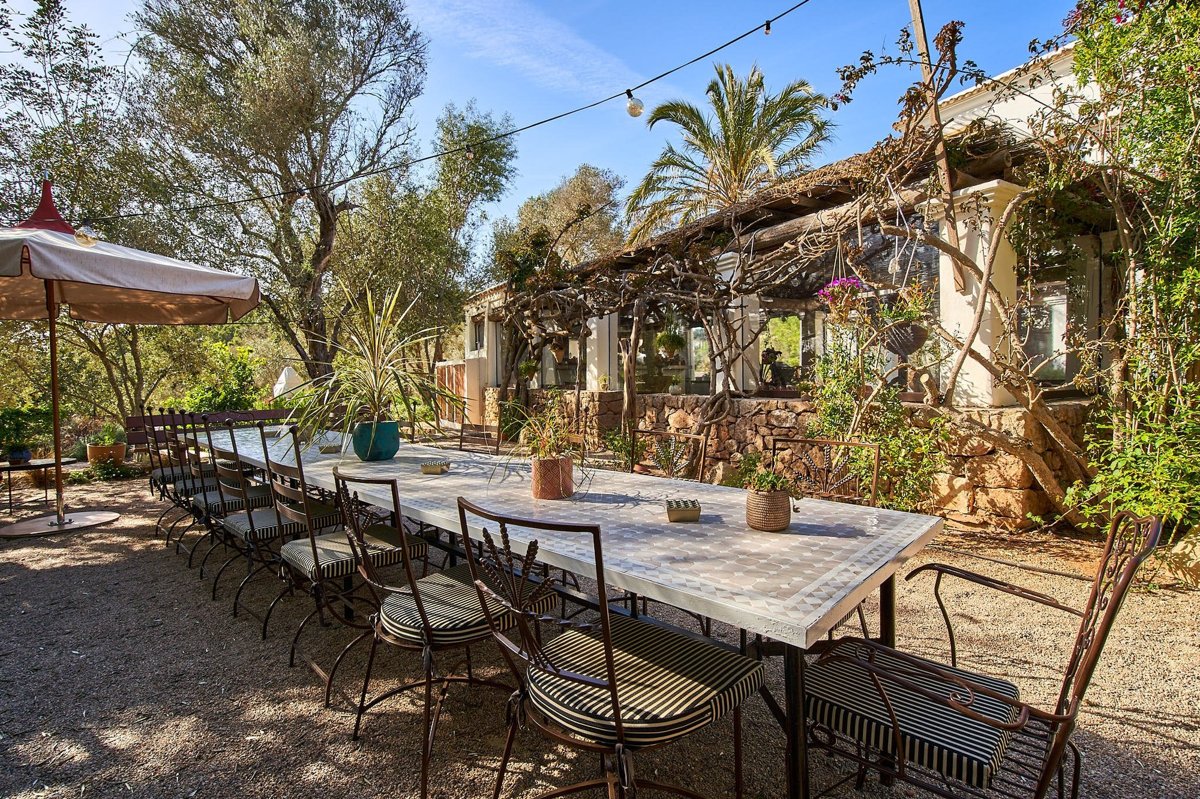
Spain is the outlier. Under its Civil Registry law, the marriage file is handled by the registry or a notary where one of you is domiciled, so for couples who live elsewhere a civil wedding in Spain is off the table. In practice, Ibiza, Mallorca and Marbella run almost entirely on symbolic ceremonies, with the legal marriage done at home. It is not a workaround so much as the standard.
France: a month in the commune
A French civil marriage takes place at the mairie of a commune where one of you, or one of your parents, has a domicile or has lived continuously for at least a month by the time the banns are published. For a couple flying in for a weekend that rarely works, so Provence and the Riviera run on symbolic ceremonies, with the legal marriage done at home.
Quick answers
Can foreigners legally marry in Italy?
Yes. You gather documents at home, have them apostilled and officially translated, obtain a nulla osta (a declaration that nothing prevents the marriage) through your consulate in Italy, and marry at the comune or an approved venue. Allow several months for the paperwork.
Is it hard to get legally married in Spain?
For visiting couples, effectively yes. Under Spain’s Civil Registry law the marriage file is handled by the registry or notary where one of you is domiciled, so a civil wedding needs one partner living in Spain. Ibiza, Mallorca and Marbella run almost entirely on symbolic ceremonies, with the legal marriage done at home.
Can you legally marry in France as a tourist?
Rarely. You marry at the mairie of a commune where one of you, or a parent, has a domicile or has lived continuously for at least a month by the time the banns are published. Most couples marry legally at home and hold a symbolic ceremony in France.
What is a symbolic wedding ceremony?
A ceremony that carries no legal weight, so it can happen anywhere, at any hour, led by anyone, with vows you wrote yourselves. Most destination couples marry legally at home and keep the symbolic ceremony for the coast.
Which Mediterranean countries allow a legal wedding for visiting couples?
Italy and Greece. Both open civil marriage to foreign couples who gather the paperwork. In Greece that means full birth certificates translated into Greek, a certificate of no impediment and a municipal licence, and the marriage must be registered within forty days of the ceremony.