


A legally binding civil marriage in France takes place in a commune where one of you, or a parent, is domiciled or has lived continuously for at least a month when the banns are published. That rules it out for most destination couples, who hold a symbolic ceremony at the château and marry legally at home.
France is the strictest of the great Mediterranean wedding countries when it comes to the legal act. French civil marriage is built around a lasting link to the commune: the mairie can only marry you if one of you, or one of your parents, is domiciled there or has lived there continuously for at least a month by the date the banns are published. The banns are then displayed for 10 days before the wedding can take place. For a couple flying in for a weekend, that is rarely practical, so almost everyone marries symbolically in France.
The standard route
Complete the legally binding civil marriage at your home town hall, then hold the symbolic ceremony at the château or bastide in France. A celebrant scripts the symbolic ceremony so it feels entirely real — vows, readings, the lot — while the legal box is quietly ticked at home. This is what the overwhelming majority of international couples do in Provence and the Languedoc.
| Civil (legal in France) | Symbolic (legal at home) | |
|---|---|---|
| Practical for tourists | Rarely | Yes |
| Residency required | Domicile, or a month’s continuous residence when the banns are published | No |
| Where | Mairie (town hall) | Anywhere |
| Paperwork | Heavy, in French, local filing | Minimal in France |
| Best for | Residents | Destination couples |
Where it works beautifully
Provence’s bastides and the Languedoc’s wine châteaux are made for the symbolic château wedding:
Marry across the south of France
A Provence palace hotel in Gordes, a village hotel below Mont Ventoux, a château near Toulouse and a private estate near Carcassonne.
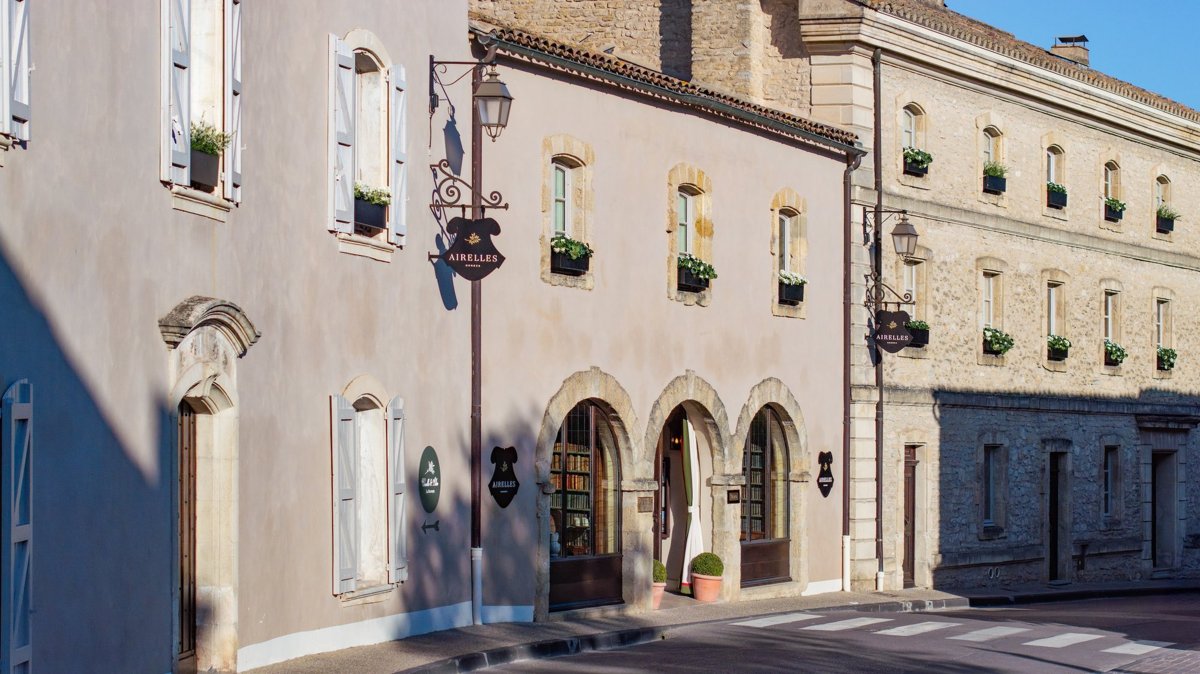
Airelles Gordes, La Bastide
La Bastide de Gordes is a 16th-century Provençal palace hotel inside the ramparts of Gordes, above the Luberon valley. Weddings can take over its terraces, gardens and pools, and guests stay in 34 rooms and 6 suites.
- Up to 180 guests
- 40 rooms

Hôtel Crillon le Brave
Hôtel Crillon le Brave is a five-star village hotel at the foot of Mont Ventoux, made of twelve old houses around the church.
- Up to 140 guests
- 26 rooms and 17 suites

Château du Pujolet
Château du Pujolet is an 18th-century estate in the Lauragais, 30 minutes from Toulouse and 35 from Toulouse-Blagnac airport.
- Up to 140 guests
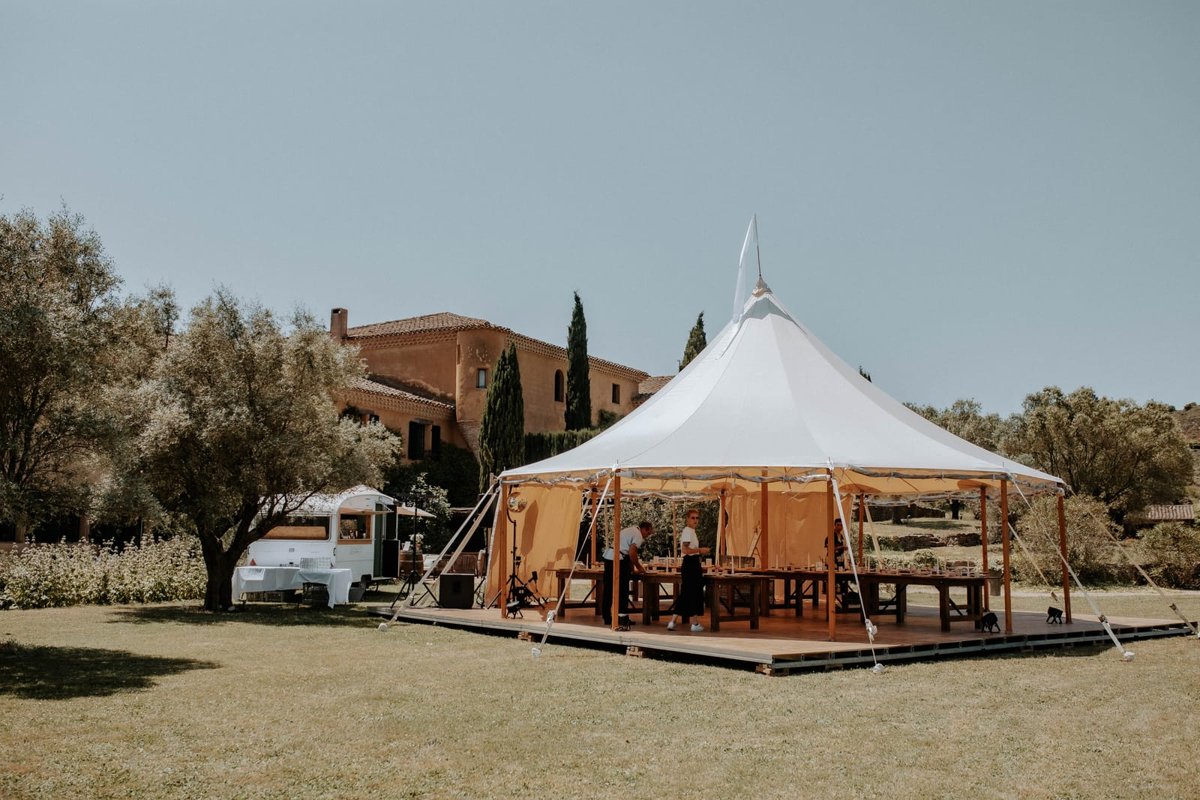
Domaine de la Vène
Domaine de la Vène is a private house and grounds in the Corbières hills at Palaja, 20 minutes from Carcassonne.
- Up to 100 guests
Quick answers
Can foreigners legally get married in France?
A legally binding French civil marriage requires one of you, or a parent, to be domiciled in the commune or to have lived there continuously for at least a month when the banns are published, so it is rarely practical for destination couples. Most marry legally at home and hold a symbolic ceremony in France.
Why is it hard to legally marry in France as a tourist?
French civil marriage is residency-based: one of you (or a parent) must be domiciled in the commune or have lived there continuously for a month by the time the banns are published, and the banns then run for 10 days. That is impractical for a weekend wedding.
How do couples marry in a French château then?
They complete the legal civil marriage at their home town hall, then hold a full symbolic ceremony at the château or bastide, scripted by a celebrant so it carries the same emotional weight.
Is a symbolic ceremony in France legally valid?
No. It has no legal force; the binding marriage is registered at home. It gives complete freedom over the venue, words and timing.