


A legal civil marriage in Spain is out of reach for most non-resident foreigners: the marriage file is opened where one of you is domiciled, so at least one partner needs to live in Spain. So most international couples hold a symbolic ceremony in Spain and complete the legally binding marriage at home.
Spain is one of the most beautiful places in the Mediterranean to marry and one of the more awkward to marry in legally. Unlike Italy, a legally binding civil marriage in Spain needs at least one partner to be domiciled in Spain: the marriage file is opened with the civil registry or notary where one of you lives, which rules it out for most destination couples. The good news is the workaround is simple and extremely common.
Why most couples go symbolic
The standard, stress-free route is a symbolic ceremony in Spain — full freedom over the finca, the cliff or the beach, the words and the timing — with the legal marriage registered at home. A celebrant or your planner scripts the symbolic ceremony so it carries every bit of emotional weight; legally, the binding act simply happens at your home registry office.
| Civil (legal in Spain) | Symbolic (legal at home) | |
|---|---|---|
| Practical for tourists | Rarely | Yes |
| Domicile in Spain | One of you, yes | No |
| Where | Civil registry | Anywhere |
| Paperwork | Heavy, slow | Minimal in Spain |
| Best for | Residents | Destination couples |
If you do want a legal Spanish marriage
It is possible if one of you lives in Spain, and you should start very early with local legal help. Expect a marriage file opened where that partner is domiciled, an in-person process at the civil registry or notary, and translated, apostilled documents (passports, birth certificates, certificates of no impediment, divorce/death certificates where relevant). For the large majority of international couples, the symbolic-plus-home-legal route is far simpler.
Where it works beautifully
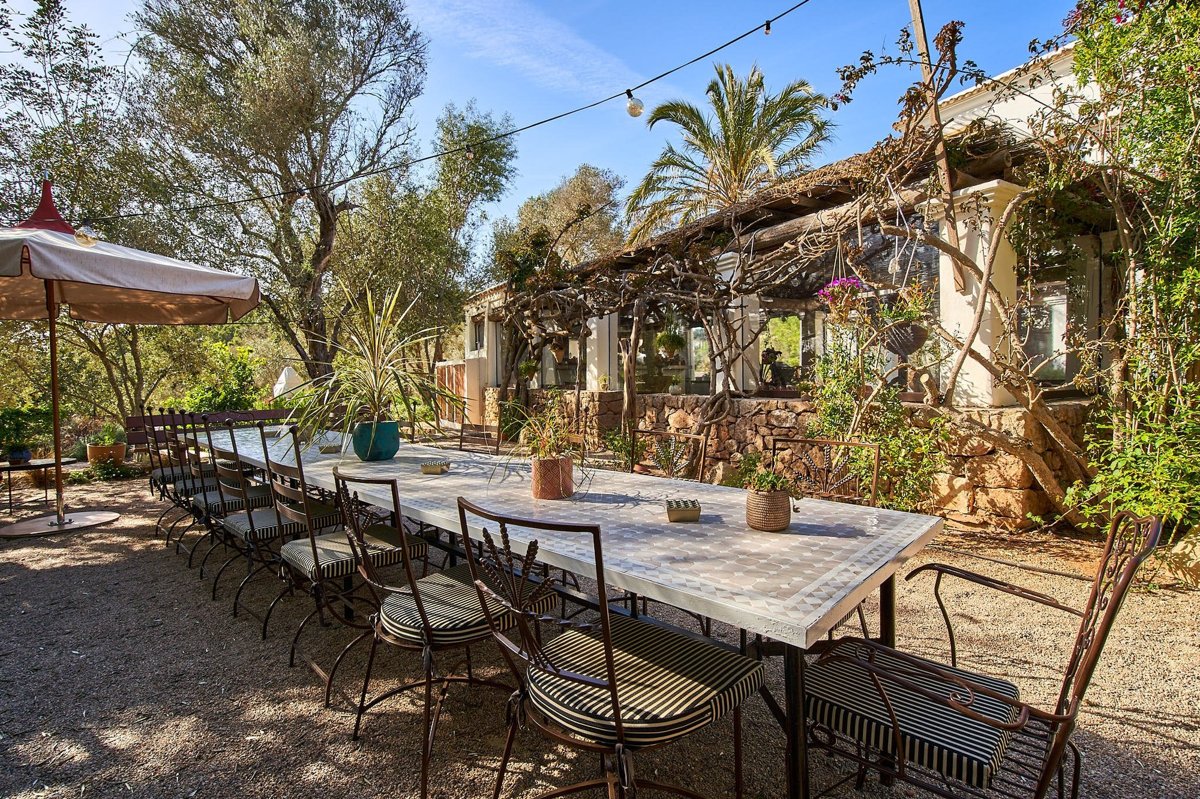
From Ibiza’s clifftops and country fincas to Catalonia’s old estates and Andalusia’s haciendas, Spain’s settings are superb for a symbolic celebration:
Marry across Spain
An Ibiza clifftop resort, an Ibiza country hotel, a former textile colony in Catalonia and a hacienda near Granada.

7Pines Resort Ibiza
7Pines Resort Ibiza sits on the cliffs of the west coast between Cala Conta and Cala Codolar, looking towards the islet of Es Vedrà.
- Up to 100 guests

Can Lluc Hotel
Can Lluc is a boutique country hotel in the green interior of Ibiza, near Sant Rafel, built around a farmhouse more than 300 years old.
- Up to 100 guests
- 25 rooms

Colònia Rusiñol
Colònia Rusiñol is a former textile colony in Manlleu, in the Osona region of Catalonia, founded in 1845 and once the home of the artist Santiago Rusiñol.
- Up to 1000 guests

La Esperanza Granada
La Esperanza is a hacienda above the Lecrin Valley, 35 minutes from Granada, with views to the Sierra Nevada. Couples have the whole house to themselves, and the estate takes only one wedding a weekend.
- Up to 300 guests
Quick answers
Can foreigners legally get married in Spain?
A legal civil marriage in Spain requires at least one partner to be domiciled in Spain, because the marriage file is opened where one of you lives, so it is rarely practical for destination couples. Most hold a symbolic ceremony in Spain and complete the legally binding marriage at home.
Is a symbolic wedding in Spain legally valid?
No. A symbolic ceremony has no legal force; you register the binding marriage at home before or after. It allows total freedom over location, words and timing.
How do most couples legally marry for a Spanish wedding?
They complete the legal civil marriage quietly at their home registry office, then hold the symbolic ceremony and celebration in Spain — the simplest, most common route.
What if we want a fully legal wedding in Spain?
It is possible only if one of you is domiciled in Spain, and it is slow: start early with local legal help, expect an in-person process at the civil registry or notary, plus translated and apostilled documents.