


Yes. Ireland is refreshingly foreigner-friendly: no residency requirement, just three months' notice to the HSE civil registration service, given in person, then a ceremony with a registrar or a Registered Solemniser — including at approved castles and estates. Most couples marry legally on Irish soil itself, with no symbolic detour needed.
Ireland is one of the easiest countries in Europe for foreigners to marry in legally, which is a large part of its appeal as a destination. There is no residency requirement, and a genuinely legal ceremony can take place at a castle or country estate rather than only a plain registry office. The trade-off is timing rather than paperwork: you must give three months' notice to the civil registration service in person, so the process needs to start early, not at the last minute.
The three-month notice, explained
Before you can marry in Ireland, both of you must attend a notification appointment with the HSE civil registration service at least three months before your wedding date, where you sign a declaration that you know of no legal reason the marriage cannot go ahead. If either of you lives outside Ireland, some registration services allow the initial notification to be started by post, but you will still need to complete the final formalities and collect the Marriage Registration Form; check the timing with your registration service. If either partner is not an Irish or EU citizen, expect an additional check of immigration status at this stage. The Marriage Registration Form is valid for six months from your intended wedding date, so the notice window and your date need to be planned together.
Registrar or Registered Solemniser?
A marriage is only legally binding in Ireland if it is conducted by someone on the official Register of Solemnisers. That includes HSE registrars, who usually marry couples only in the county where they are based, and Registered Solemnisers from religious, secular or humanist bodies, who are generally freer on timing and venue. For a civil ceremony outside a registry office, the venue itself must also be approved by the civil registration service as dignified and suitable — which is exactly why many Irish castles and estates, including several of the ones below, are set up to host HSE-approved civil ceremonies on their grounds.
| Civil (legal in Ireland) | Symbolic (legal at home) | |
|---|---|---|
| Legally binding | Yes | No (you marry at home) |
| Where | Registry office or approved venue | Anywhere |
| Notice required | Three months, given in person | None in Ireland |
| Paperwork | Notification, documents, two witnesses | Minimal in Ireland |
| Best for | A fully legal Irish wedding | Total freedom of place |
The documents you will need
Expect to bring valid passports, birth certificates, proof of address and, where relevant, decree absolute or death certificates from a previous marriage. Any document not in English or Irish must come with a translation. You will also need two witnesses aged eighteen or over on the day. Requirements can vary slightly by registration area; the local registrar sets the exact list for your notification appointment.
Where it works beautifully
From a lakeside castle in Leitrim to a 17th-century manor house in Kilkenny and a grand manor in Limerick, Ireland's country estates were made for a legally binding ceremony followed by a proper celebration:
Marry across Ireland
A Leitrim lakeside castle, a Kilkenny country house and a Limerick manor on the Maigue.
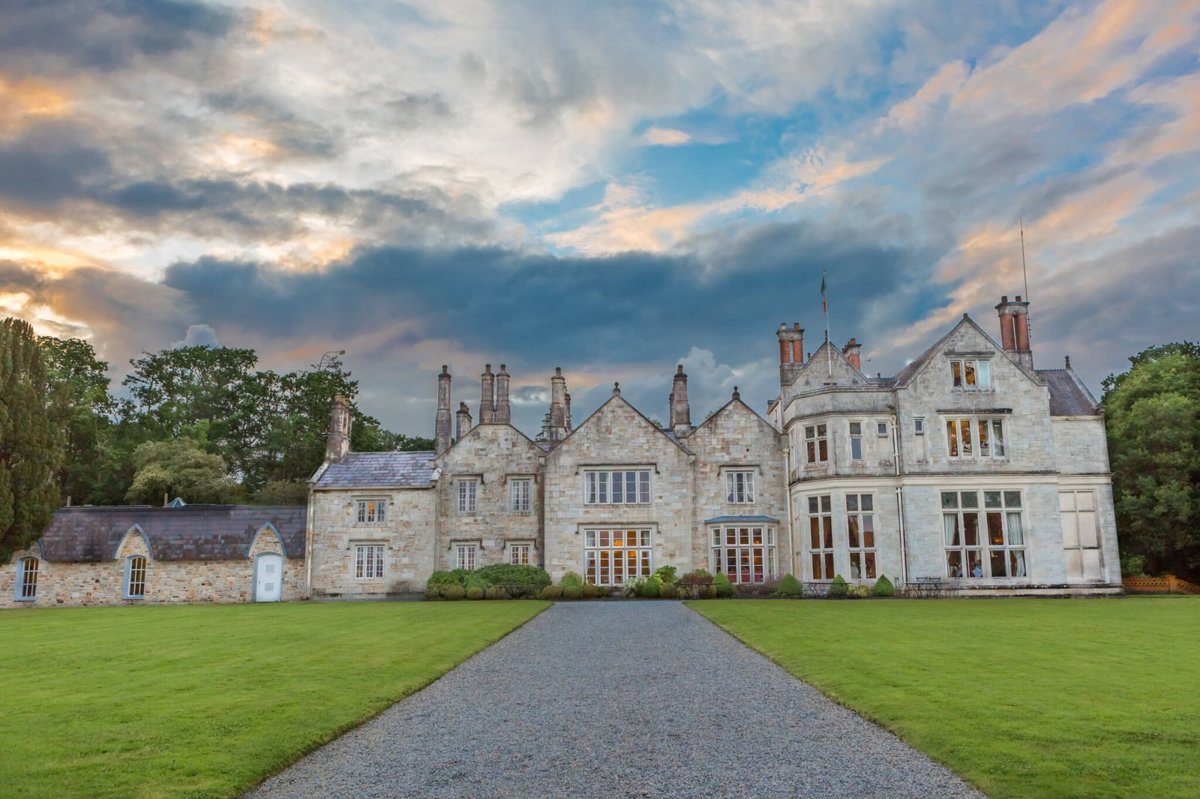
Lough Rynn Castle
Lough Rynn Castle is a restored 19th-century castle in County Leitrim set within more than 300 acres of lake and woodland estate, hosting weddings for up to 360 guests with all-inclusive packages from €88 per person.
- Up to 360 guests
- Sleeps 5
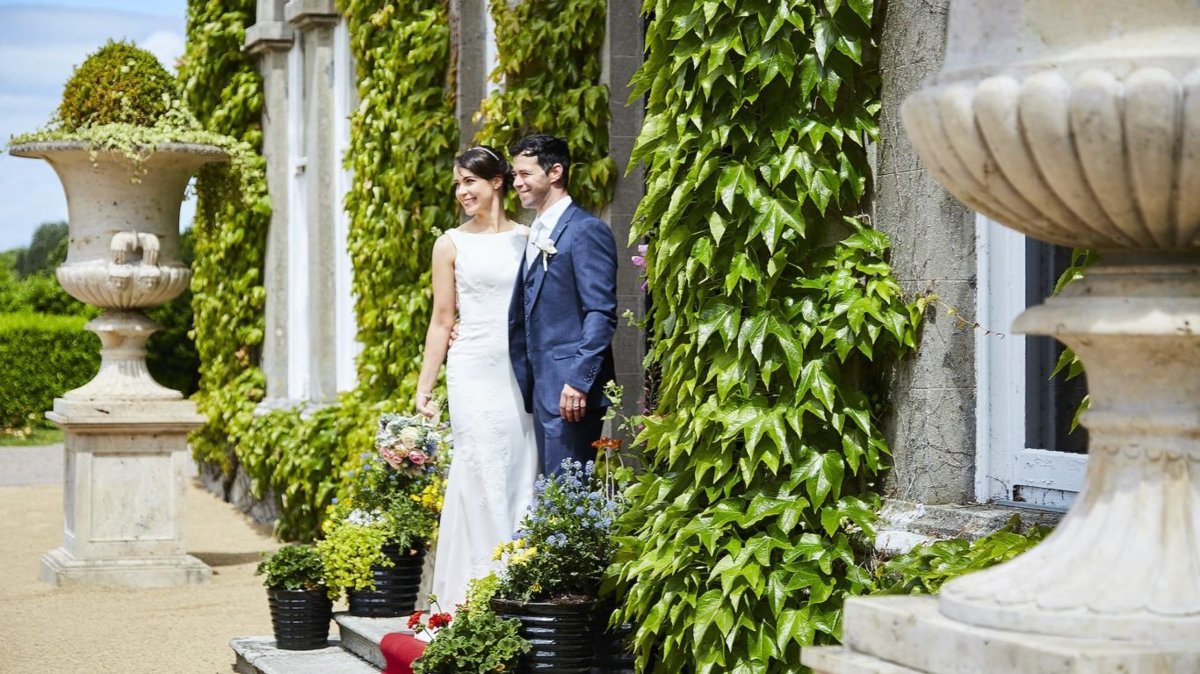
Lyrath Estate
Lyrath Estate is a Georgian country estate hotel on the edge of Kilkenny City, offering bespoke wedding packages with catering in a setting of picturesque grounds and elegant historic architecture.
- 141 rooms
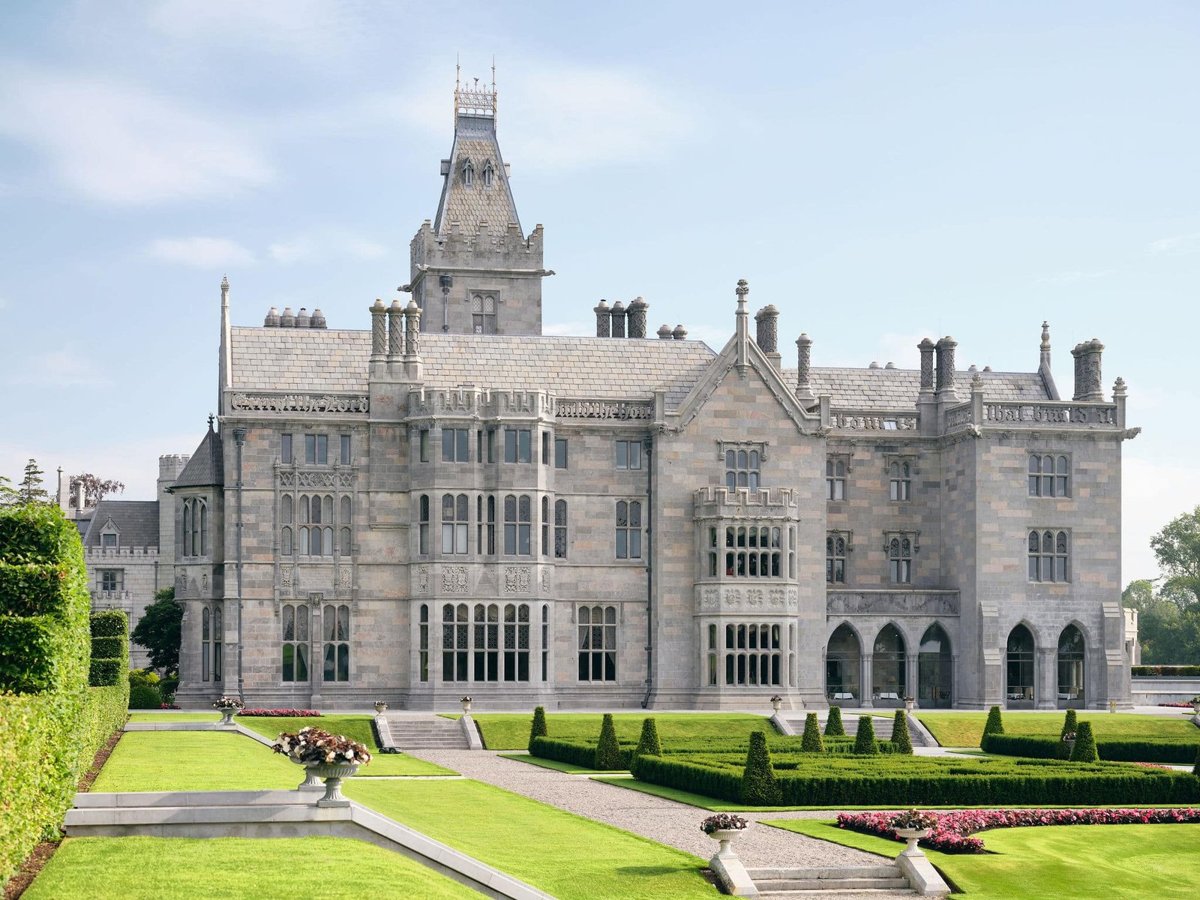
Adare Manor
A Gothic Revival manor on 840 acres of Limerick parkland, Adare Manor hosts weddings for up to 300 guests in its Grand Ballroom, with Michelin-starred dining at the Oak Room and a Tom Fazio championship golf course that…
- Up to 300 guests
Quick answers
Can foreigners legally get married in Ireland?
Yes. Ireland has no residency requirement for marriage, so foreign couples can legally marry there. You do need to give the HSE civil registration service at least three months' notice in person before the ceremony.
How much notice do you need to marry in Ireland?
At least three months, given in person at a notification appointment with the civil registration service. If you live abroad, the initial notification can sometimes start by post, but you must still meet the registrar in person at least five days before the wedding to sign the declaration.
Are castle wedding ceremonies in Ireland legally binding?
Yes, provided the venue has been approved by the civil registration service and the ceremony is conducted by someone on the official Register of Solemnisers — either an HSE registrar or a Registered Solemniser. Many Irish castles and estates are set up for exactly this.
What documents do you need to marry in Ireland?
Typically valid passports, birth certificates (translated if not in English or Irish), proof of address, and decree absolute or death certificates if either of you was previously married, plus two witnesses aged 18 or over.
What is the difference between a registrar and a Registered Solemniser in Ireland?
A registrar is an HSE employee who conducts civil ceremonies at a registrar's office or a registrar-approved venue, usually in the county where they are based. A Registered Solemniser — religious, secular or humanist — is usually more flexible on day and venue. Both are equally legally binding.